
Passed On, Not Sold
There are two ways to share an art.
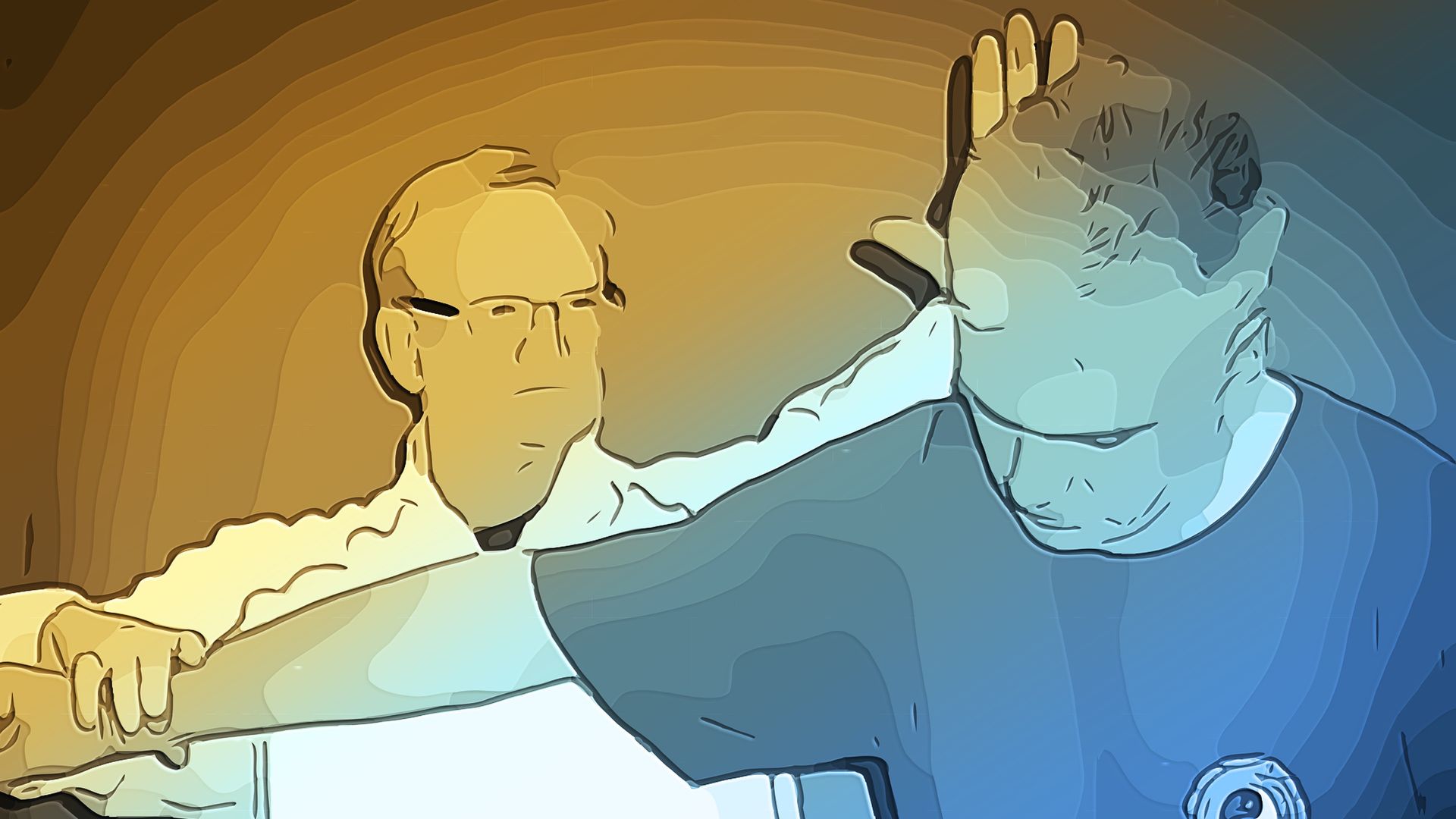
There are two ways to share an art. One is to package it, dress it up, and present it as something you have bought and now have to sell. The other is to have lived it, practised it, and let it grow through you — so that it can simply be passed on.
Tai chi belongs to no one. It cannot be owned, bought, or claimed. It is older than all of us. And because it is bigger than any one person, it deserves to be shared with humility — not performance.
Information is not understanding
You can read a book. You can watch a video. You can learn the words — the meridians, the principles, the history. You can sound the part. You can look the part. But true understanding only comes one way: through the body, over time, showing up when it’s easy and when it’s not.
Information can be learned in a weekend. Understanding is passed from hand to hand, year to year, and it shows in how someone moves — and how they speak.
Mystery is not depth
Sometimes people wrap their teaching in silence or complexity because it gives them authority. It creates distance — they know the secrets, and you do not.
But real practice isn’t about keeping people out. It’s about inviting them in. It says: “I don’t have all the answers either. But here is what has helped me, and perhaps it will help you too.” That honesty is deeper than any mystery.
What does it mean to pass something on?
When an art is passed on, the teacher doesn’t become the centre of attention. The art does. The form does. The quiet change that happens in you — that’s what matters.
A practice that is passed on stays alive. It changes a little with every generation, because each person brings their own life to it. But the heart remains. A practice that is only sold stays fixed — it becomes a product, something to be consumed rather than lived. And eventually, it feels empty.
The test is simple
Ask yourself this: when you learn from someone, do you feel encouraged to trust your own experience? Or are you told that only they have the truth?
Good teaching doesn’t make us dependent — it helps us become independent. It gives us something that eventually belongs to us.
In the end
Tai chi doesn’t need to be sold. It just needs to be shown — honestly, simply, and from practice. Some will choose the bright package. That is their journey. But some will recognise the difference. They will know that what comes from years on the mat carries a weight that no book can give.
And that is enough.
“The method is not secret. The practice is the secret.”