

About Malcolm
Thirty-plus years of practice. A life built in two halves — and how they turned out to be one.
The part most people never knew
For years, if you came across me online, it was probably for something other than Tai Chi.
Building things, quietly
I built websites and communities, moderating and engaging in some of the largest creative groups on Facebook. I collaborated with Adobe's product team as a community voice for Adobe Spark and was recognized by Facebook as a top community leader, joining an internal program to influence the platform's future.
I never sought this attention; it became clear when "Be More Malcolm" emerged as a catchphrase at a business event. People embraced it, creating a rap and even a knitted teapot with my name. For a time, it symbolized effective community engagement.
Honestly, I never monetized this fame. I could have created a business from it, but I realized it wasn’t my true passion. What I truly cared about, I had quietly pursued for thirty years without much discussion.
Community Builder
Ran some of the largest creative groups on Facebook — moderating, building, keeping conversation alive.
Adobe Spark Voice
Sat alongside Adobe's own product team as a community representative.
Facebook Leader
Identified as one of the top community leaders in the world, shaping the platform's direction.
Be More Malcolm
A catchphrase, a rap, a knitted teapot — shorthand for doing community the right way.
What I'd been doing all along
The same thing, over and over, until it stops being something you do and becomes part of how you move.
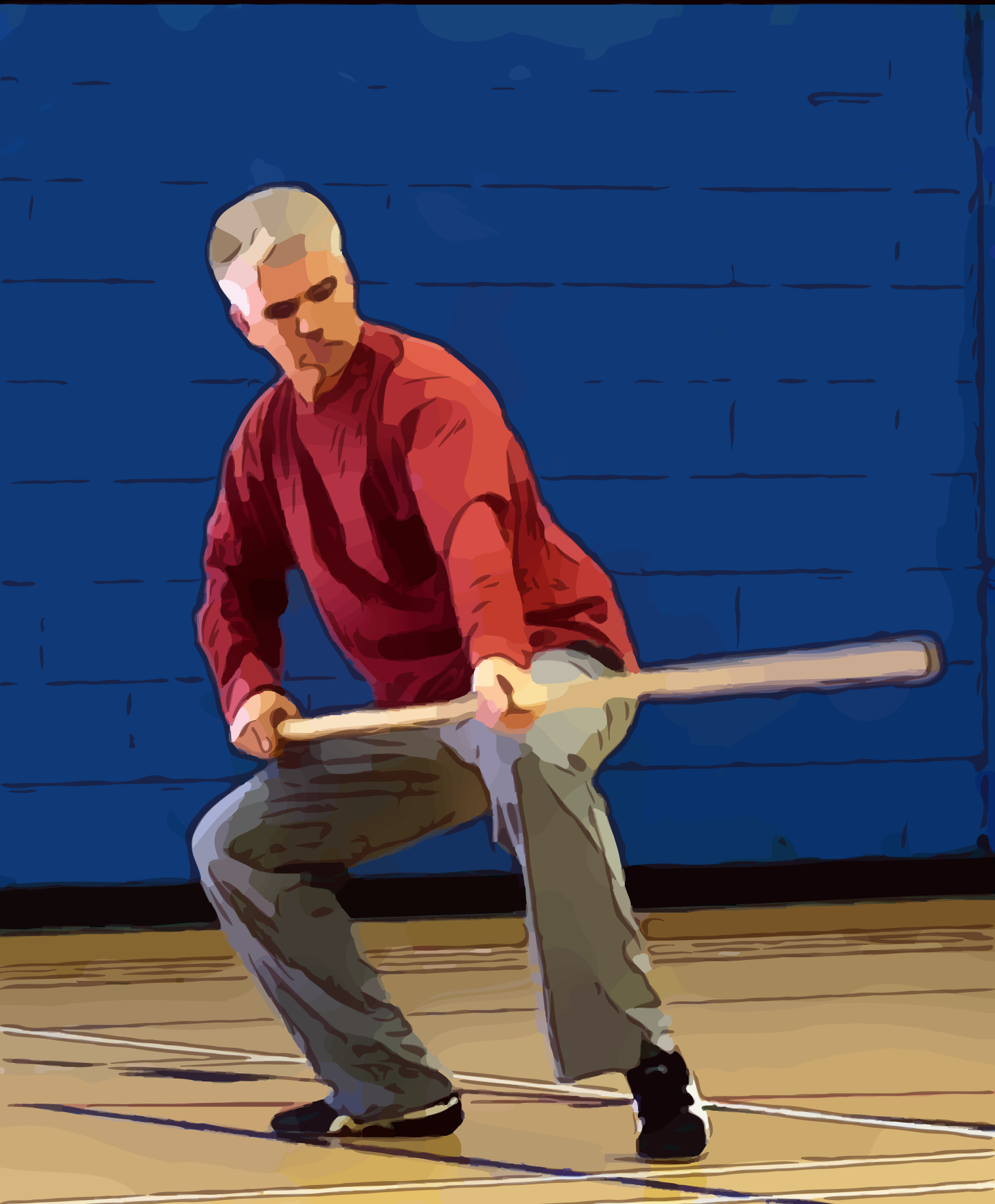
I've practised Tai Chi for around thirty years. I still practise it. Not workshops here and there — the long, slow, unglamorous way. The same thing, over and over, until it stops being something you do and becomes part of how you move.
A lineage passed hand to hand
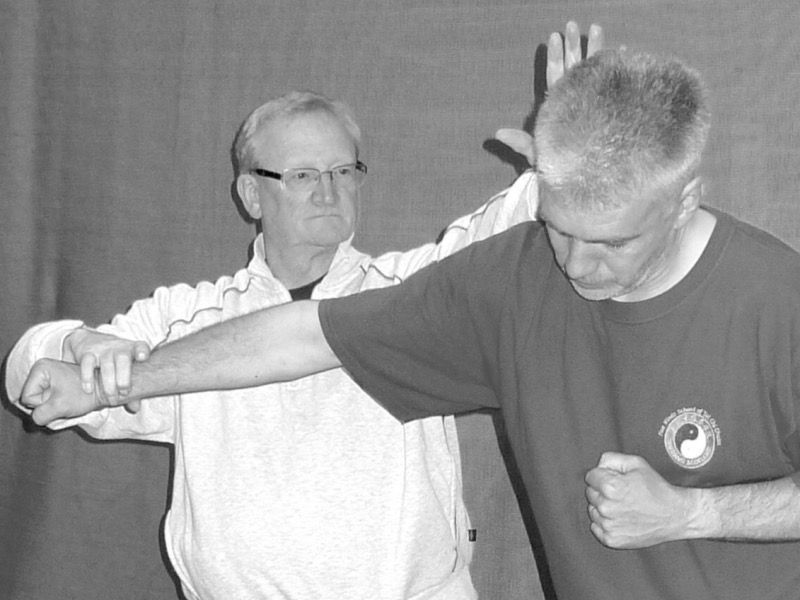
My first teacher, Alistair, taught me enough to know I wanted more — and then did the most generous thing a teacher can do. He sent me to someone better. He sent me to Ian Cameron.
Ian's own story tells you what kind of art this is. In 1971 he got himself posted to Hong Kong with the army for one reason: to find a real Tai Chi master. He asked in a local sports shop, and the owner gave him three words — "he is the best" — and a name: Cheng Tin Hung. Cheng was no gentle park instructor. He'd worked as a bodyguard, won tournaments, and beaten the Champion of Taiwan. Ian trained under him for years and came home as the first person to bring that system to the West. The school he founded took the name Five Winds, for the five aspects that make up the art.
That's the line I stepped into. A complete traditional system, passed hand to hand, with the martial principle still intact underneath. There are no shortcuts in it, and I wouldn't trust anyone who told you there were.
Carrying it forward.
Publishing
I published Ian's books — the hand forms, the weapons forms, the deep explorations of principle, the collected articles.
Building Online
I built the school's presence online so his teaching could reach people he'd never meet.
Seminars
I organised the seminars in Glasgow and Edinburgh that brought students together to train with him in person.
Demonstration
A demonstration was filmed at the Third Eye Centre — a quarter of a century on from when it was first filmed there. The same art, the same hands, decades apart.
This is where the two halves of my life turn out to be one. The years I spent building for others weren't time away from Tai Chi. They were the same instinct, pointed in a different direction — clarity, structure, stripping a thing back to what actually works. I just didn't know, at the time, that it was preparation.
A wider stage
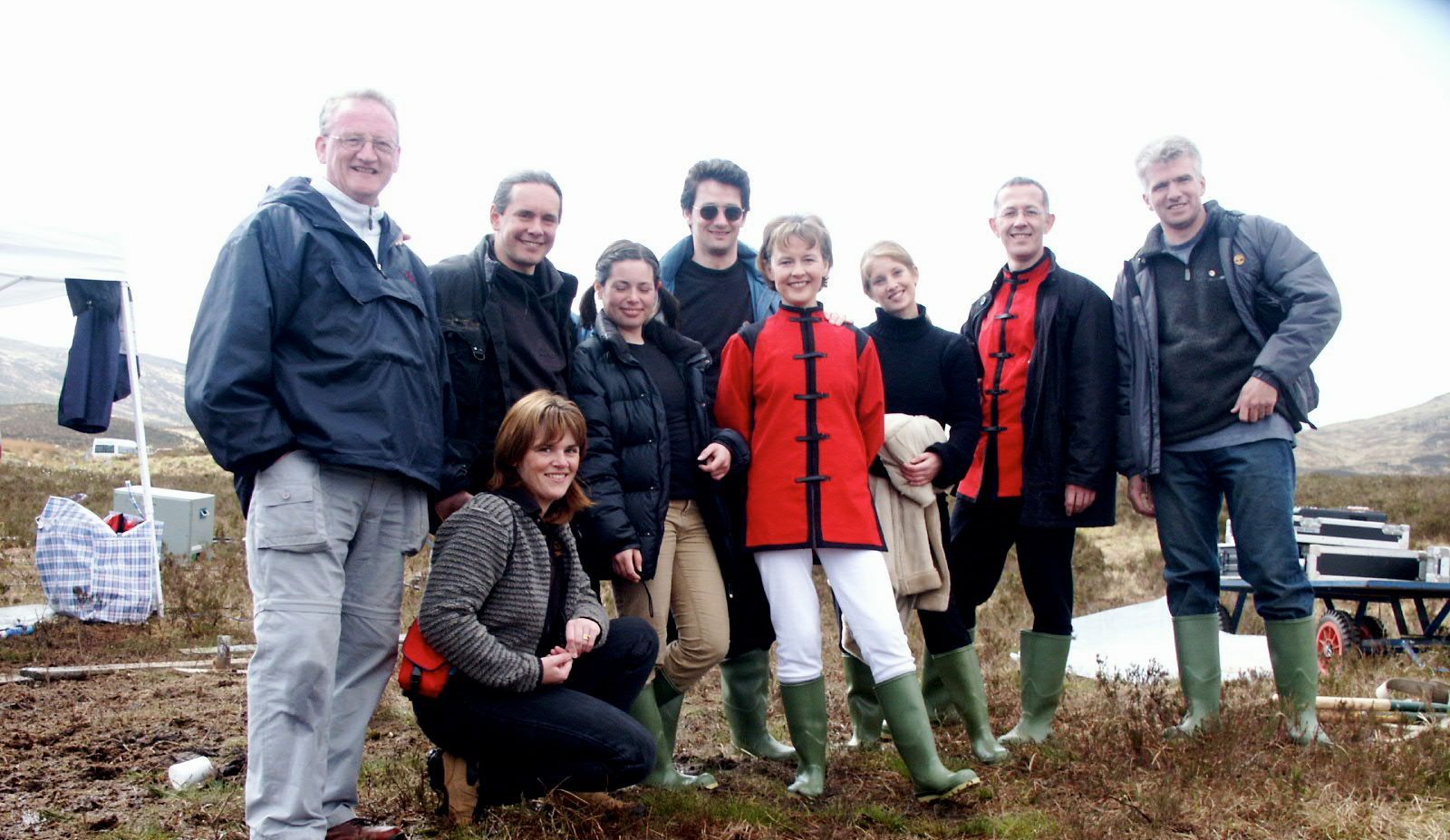
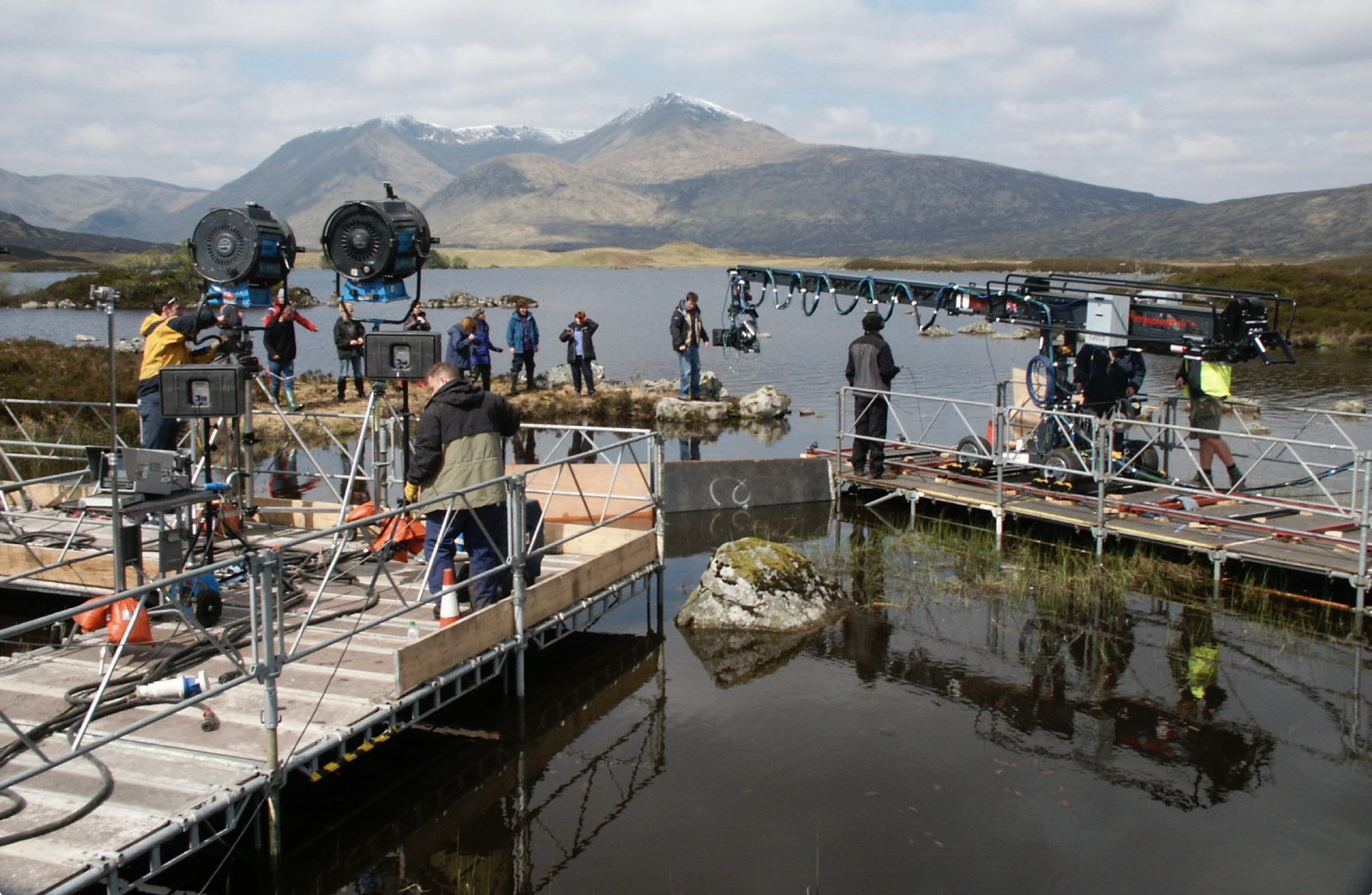
Some years back, the BBC chose Five Winds for one of their ident campaigns — the short films that ran between programmes in front of millions. Filmed in the Highlands, it put this quiet traditional art on a national stage.
It's exactly how Tai Chi works on you — it stays, quietly, even when you're not sure how it got in.
BBC Idents
Short films broadcast between programmes, seen by millions across the UK.
The Highlands
A traditional art placed on a national stage, filmed in one of Scotland's most iconic landscapes.
You can watch the original
BBC One Tai Chi Ident on TVARK to see our instructors performing the Wudang system on Rannoch Moor.
Why I teach the way I do now
For most of those thirty years, I built things for others. Now I'm teaching in my own voice, and the heart of it is an idea Ian himself put into words: the art of doing just enough.
I'd rather you had a small amount of Tai Chi you truly understand and can practise for life than a mountain of movement you'll never own. That's the whole of it.
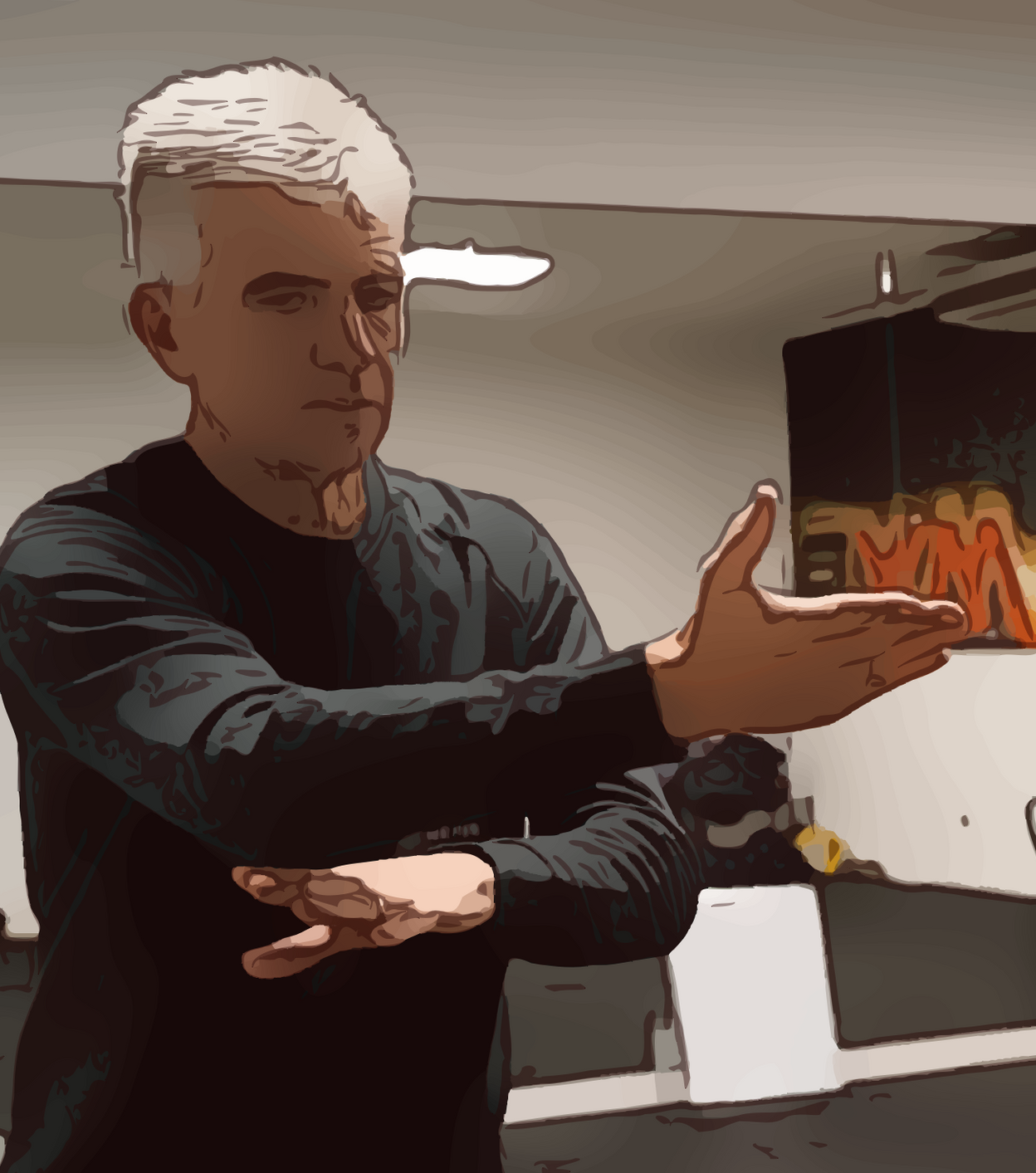
I've leaned on this practice through the hardest stretches of my own life — the kind everyone meets sooner or later. A hard stretch was, in the end, what finally moved me to stop building quietly in the background and step forward in my own name.
The practice doesn't make trouble disappear. What it gives you is somewhere steady to stand while you meet it. That's not a slogan to me. It's the reason I still teach..

There's a quieter pleasure in the name now, too. Ian called his book Leaves in the Wind, and somewhere over the years the second half of Five Winds has come to mean more to me than the first — leaves moving with the wind, not against it. Thirty years in, I think that might be the whole art, hiding in plain sight in the name over the door.
Come and try
Just Enough Tai Chi
A clear honest starting point in a real Tai Chi lineage.
Thirty Years In
After thirty years of practice, I can help you find a simple way in.
No Prerequisites
You do not need to be fit, flexible, young, or sure. you only need to begin.
Malcolm Pollock teaches in the Five Winds Tai Chi Chuan lineage of Ian Cameron.